
No More Playlist: Live Music Trends Shaping 2026 Events
Let’s be honest: The "Spotify playlist" era of event planning is over.
For a long time, plugging a phone into a speaker was the "safe," budget-friendly option for cocktail hours and corporate mixers. But as we look toward 2026, "safe" has become synonymous with "forgettable."
We are seeing a massive shift in how high-end events are designed. Guests in Toronto, Calgary, and Banff are no longer impressed by a curated list of mp3s. They crave connection, spontaneity, and "main character energy." They want an experience that feels alive.
The passive background track is dying. Here are the three live music trends that are replacing it in 2026.
1. The Rise of the "Micro-Moment" (The Solo Performer)
In the past, live music was often reserved for the "big" parts of an event—the 200-person reception or the gala dinner. But the biggest trend for 2026 is the hyper-personalization of smaller moments.
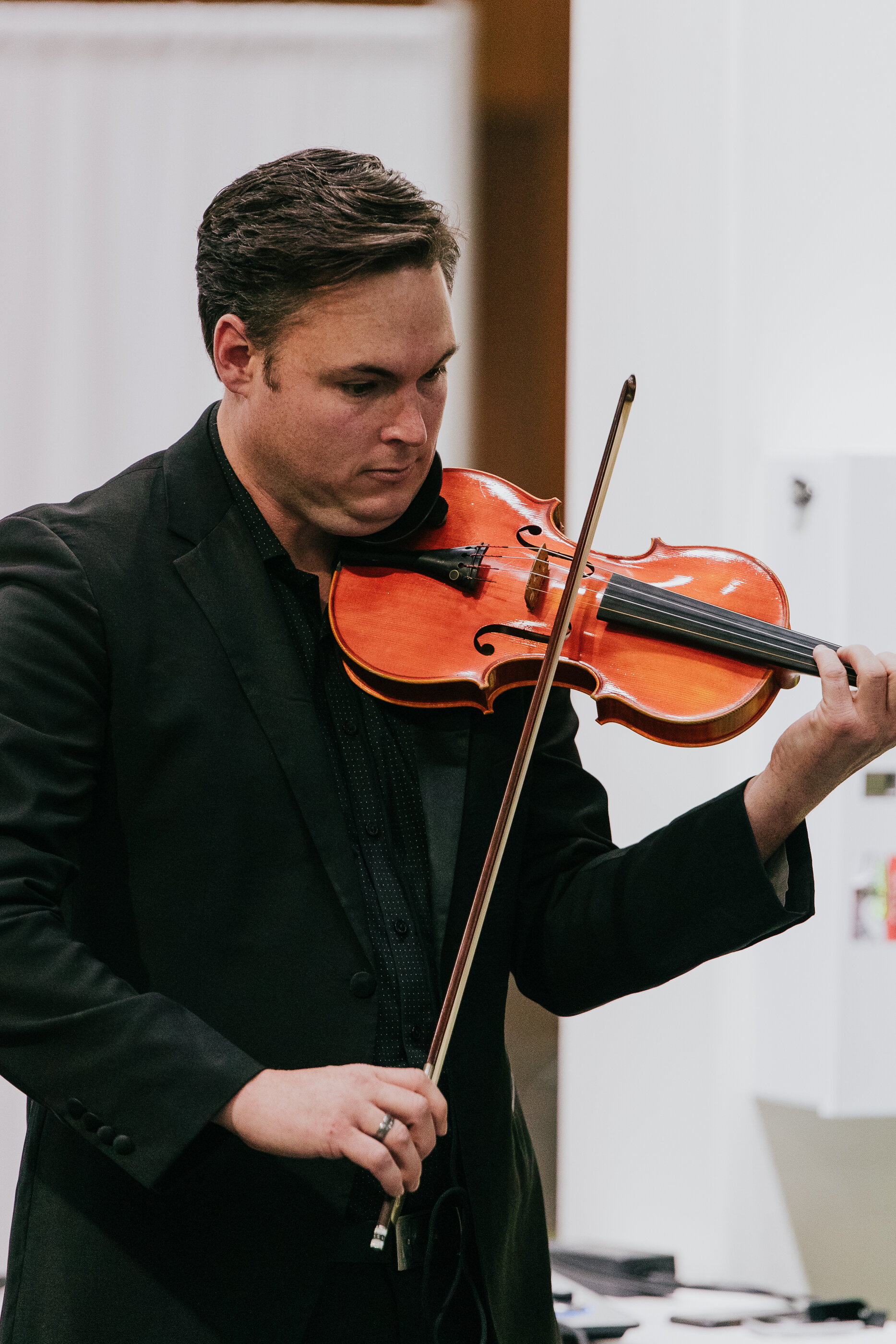
We are seeing a surge in bookings for Solo Violinists for specific, high-impact micro-events:
The Cinematic Proposal: A playlist can’t time the crescendo of a song perfectly with the moment a knee hits the ground. A live violinist can.
The Elopement: Couples escaping to the Rockies don't want silence; they want a soundtrack that matches the grandeur of the landscape.
The Private Dinner: Corporate clients are moving away from massive ballrooms and toward exclusive, 20-person chef’s table experiences. A solo musician provides intimacy without overpowering the conversation.
The Forecast: In 2026, the "Soloist" isn't a budget alternative to a band; it is a strategic choice for intimacy and emotional impact.
2. The "Fusion Ensemble" (Strings + DJ)
For years, planners felt they had to choose a "side."
Side A: The elegance of a String Quartet.
Side B: The energy of a DJ.
That wall is coming down. The most innovative trend for 2026 is the Fusion Ensemble. This is where the boundaries blur. It looks like a String Trio playing high-energy pop covers during cocktails, then seamlessly transitioning to play alongside the DJ as the party starts, adding live improvisation over deep house or top 40 tracks.
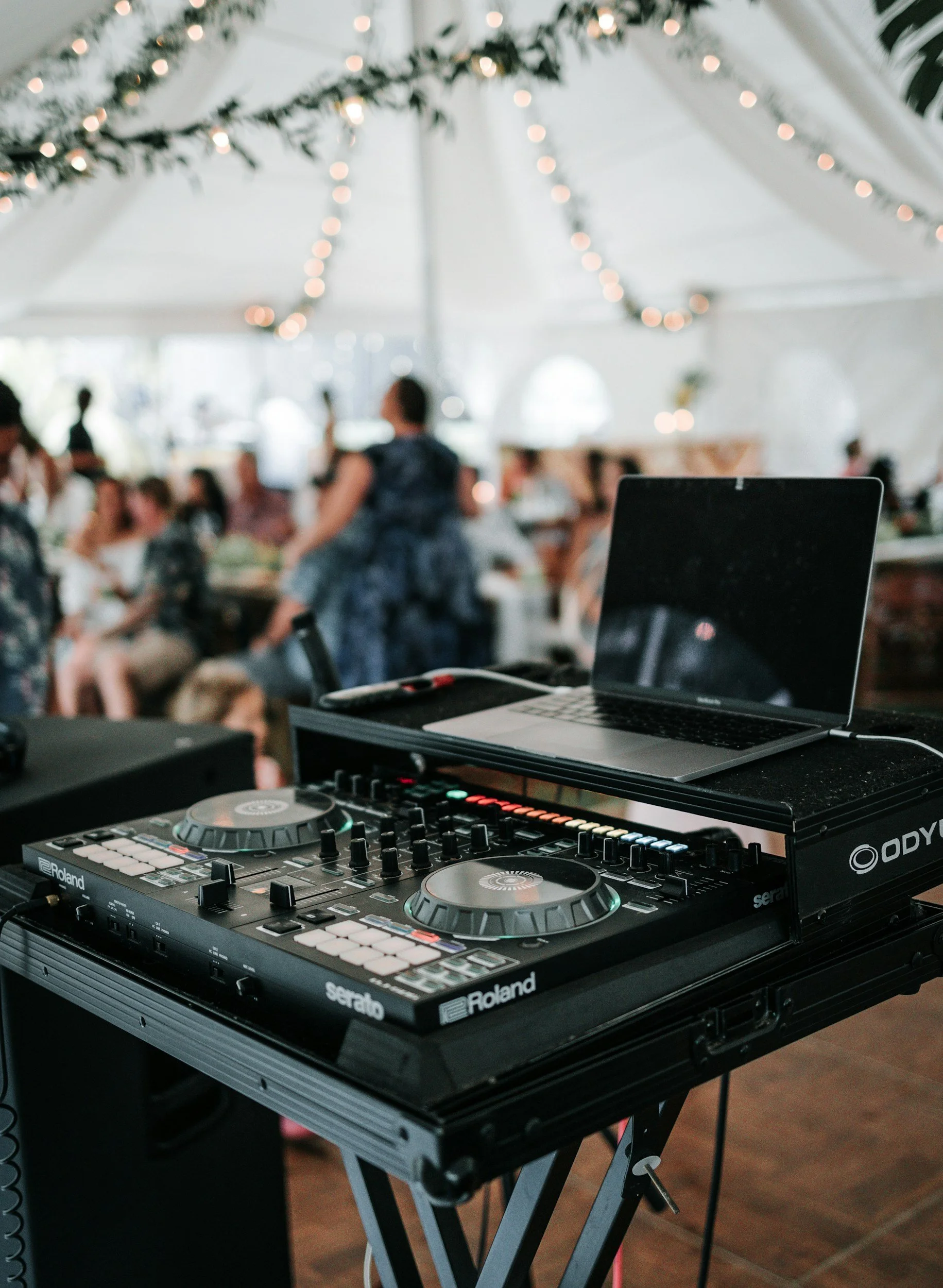
It creates a "Bridgerton-meets-Ibiza" vibe that a playlist simply cannot replicate. It keeps the sophistication of the instruments but injects the raw energy of a club environment.
The Forecast: The "Hybrid" model will dominate the luxury market. Clients want the best of both worlds, and they are willing to pay for the seamless integration of live and digital sound.
3. Adaptive Atmosphere (The "Vibe" Check)
This is the nail in the coffin for the playlist.
A playlist is static. It doesn't know that the speeches are running 10 minutes late. It doesn't know that the energy in the room has dipped and needs a boost, or that guests are deep in conversation and the volume needs to drop.
A playlist dictates the mood; a live musician reads the mood.

For 2026 events, "Atmosphere" is the product. Clients are realizing that a skilled musician is an energy manager. We adapt the tempo, the volume, and the repertoire in real-time based on what is happening in the room. That human element—the ability to pivot from a ballad to a banger based on the crowd's reaction—is the ultimate luxury.
The Forecast: "Adaptive Entertainment" will become a standard requirement. Planners will stop booking musicians just for their song list and start booking them for their ability to manage the room's energy.
The Bottom Line
If you are planning an event for 2026, ask yourself: Do you want background noise, or do you want a heartbeat?
The playlist was a convenient placeholder, but the future of events is human, reactive, and alive.
Planning for 2026? The best dates are booked 12-18 months in advance. Let’s discuss how we can bring your event to life. CONTACT US